I don’t gamble. I never have. I’ll do the odd scratch card if I happen to have a coin on me, but I wouldn’t really call that gambling. It was just never something that I did. I remember in secondary school how the halls would empty after lunch for the few days that Cheltenham would be on; everyone giving double French a miss to throw away their lunch money on some horse their uncle’s best friend’s cousin who’s a stablehand says is a surefire winner. But I never did. I just had no interest.
And I liked French. Bonjour.
Since I’ve been writing about golf, though – whether that be now or back when I was doing Cheeky Nine – the idea of trying to pick someone who might win a golf tournament has never not perplexed me. Because, when you think about it, it is absolute madness. Betting on team sports is one thing. If some of the individual parts might not be firing at their best, the collective whole could still get the job done, and vice versa. But in golf? It’s one person. Over four whole days. In a sport where being even fractionally off in what you’re doing can see you done and dusted for the week after one round. And that’s before you even get into the weeds of someone possibly picking up a niggle from sleeping the wrong way, or not having their head in the game because there’s a problem at home.

Yet, does that stop golf writers (including myself) shouting into the abyss as to why our particular guesses are different? No. But, make no mistake, that’s all it is. It’s educated guessing coupled with a healthy dash of hope that your guys actually perform. Recently, though, I’ve really started thinking about the idea of ‘form’ and how heavily it’s relied upon as a metric, of sorts, for helping people formulate who they think might perform well in a given tournament. I mean, look, it’s something I take into consideration myself when constructing the Oracles’ Fourball every week.
But, as I alluded to in this week’s iteration of the Fourball, sometimes form counts for absolutely nothing. Take Nico Echavarria at the Cognizant Classic. Before his win on Sunday, from the five other events he’d played this season, the Colombian had registered a T-8 finish at Pebble and four cuts. Now, given that I focused on the South African Open last week, I didn’t look at the field at PGA National with an eye toward picking who might do well. If I did, however, could I say that I would’ve given Nico Echavarria a nod? I could lie and say, yes, but I probably wouldn’t have.
Even as I write this, Daniel Berger is leading the Arnold Palmer heading into the weekend, and, in his last three events, he finished T-75 at Pebble, missed the cut at the Genesis, and clocked a tie for 32nd at the Cognizant Classic last weekend – I mean, not exactly the kind of play that would make you think, “Yep, this guy’s definitely going to go around Bay Hill like it’s a pitch and putt course next Thursday”.

So, all of that made me think: for all the winners we’ve seen so far this season, what was their “form” like in the weeks leading up to them winning?
Let’s take the PGA Tour first. The Sony Open, won by Chris Gotterup, we can disregard because it was the first tournament of the season. The American Express was Scottie Scheffler’s first tournament of the year, so he had no form, per se, to go on – aside from just being Scottie Scheffler. Justin Rose missed the cut the week before waltzing to the Farmers Insurance Open. After following up his win in Hawaii with a T-18 at the American Express, Chris Gotterup won the Waste Management – the first real instance of someone “in form” delivering on their performances. Collin Morikawa registered a missed cut and a T-54 before breaking through at Pebble. And, in the most consistent display of someone actually building on their form with a win, Jacob Bridgeman claimed the Genesis Invitational off the back of a T-4, T-13, T-18, and T-8 run.
And it’s a similar story on the DP World Tour. Again, while we can disregard David Puig’s win at the BMW Australian PGA Championship, as that was the first tournament of the season, Rasmus Neergard-Petersen missed the cut that week before claiming the Crown Australian Open at Royal Melbourne. Kristoffer Reitan’s win at the Nedbank Golf Challenge was his first outing of the season since a T-28 showing at the DP World Tour Championship a month previously. Then, in the first display of form really telling on the circuit, Jayden Schaper, after finishing second in Sun City, won back-to-back at the Alfred Dunhill Championship and Mauritius Open.
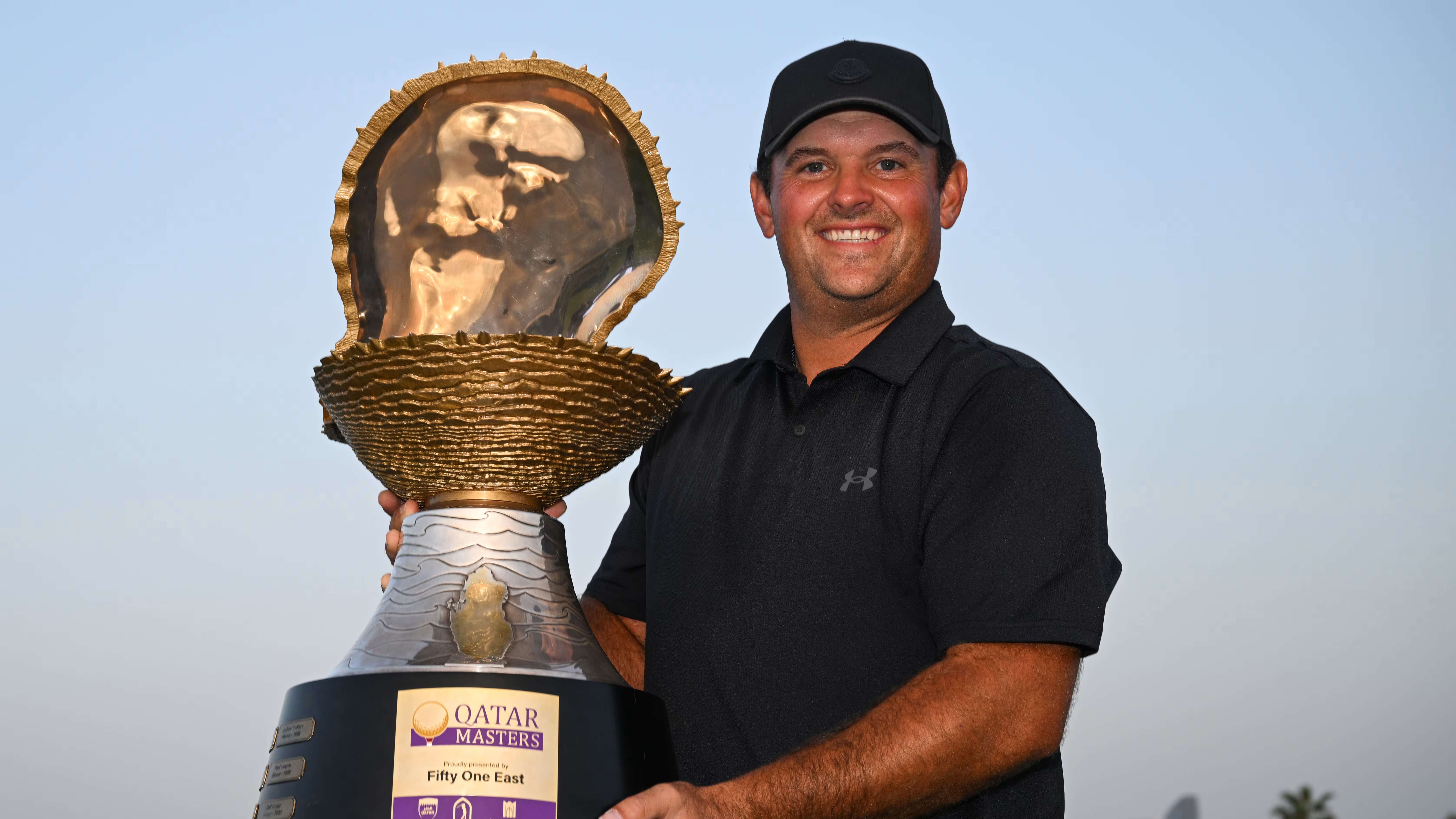
At the beginning of 2026, Nacho Elvira claimed the Dubai Invitational after notching up finishes of T-30 and T-46 in his previous two events. In that same week where the Spaniard kicked off the International Swing with a win, Patrick Reed’s finish in 26th-place was followed up with a huge win at the Dubai Desert Classic, a T-2 behind Freddy Schott at the Bahrain Masters (who had registered a T-41, T-49, and a missed cut before breaking through), and then another win at the Qatar Masters. And before this past fortnight of domination, one wherein he claimed the Magical Kenya Open and South African Open, Jarvis Casey had posted a T-32, 3rd, T-56, T-9, a missed cut, and a tie for 13th – so, a touch up and down, but decent enough in the way of form.
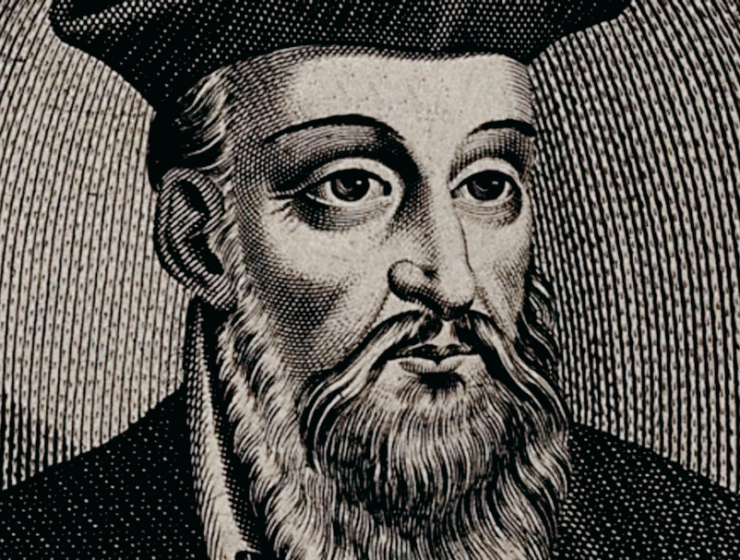
So, what can we learn from all this? It’s that, on the whole, ‘form’ alone never really paints the entire picture as to who might be on the cusp of winning a tournament. It can give you an idea as to who might be worth looking at, sure. But, without stacking up a potential list of winners every week that runs ten-plus deep (because where’s the satisfaction in that?), the idea of becoming some golfing Nostradamus is nothing more than a fool’s errand. Because a lot can happen in a week in the world of golf. Those who were propping up the leaderboard the week before are only ever one swing or putt away from unlocking that holy grail of a feeling that, suddenly, sees everything slip into place and make sense.
In short, when it comes to picking who might do well out between the ropes, it really does seem to be a case that the old adage really does hold true that form is, indeed, temporary. If we could just figure out who’s about to show that class is permanent, however, we’d be off to the races.
Except if we have double French, of course.